How To Beat Vaping Addiction
Vaping Addiction: Understanding the Risks and Starting the Road to Recovery
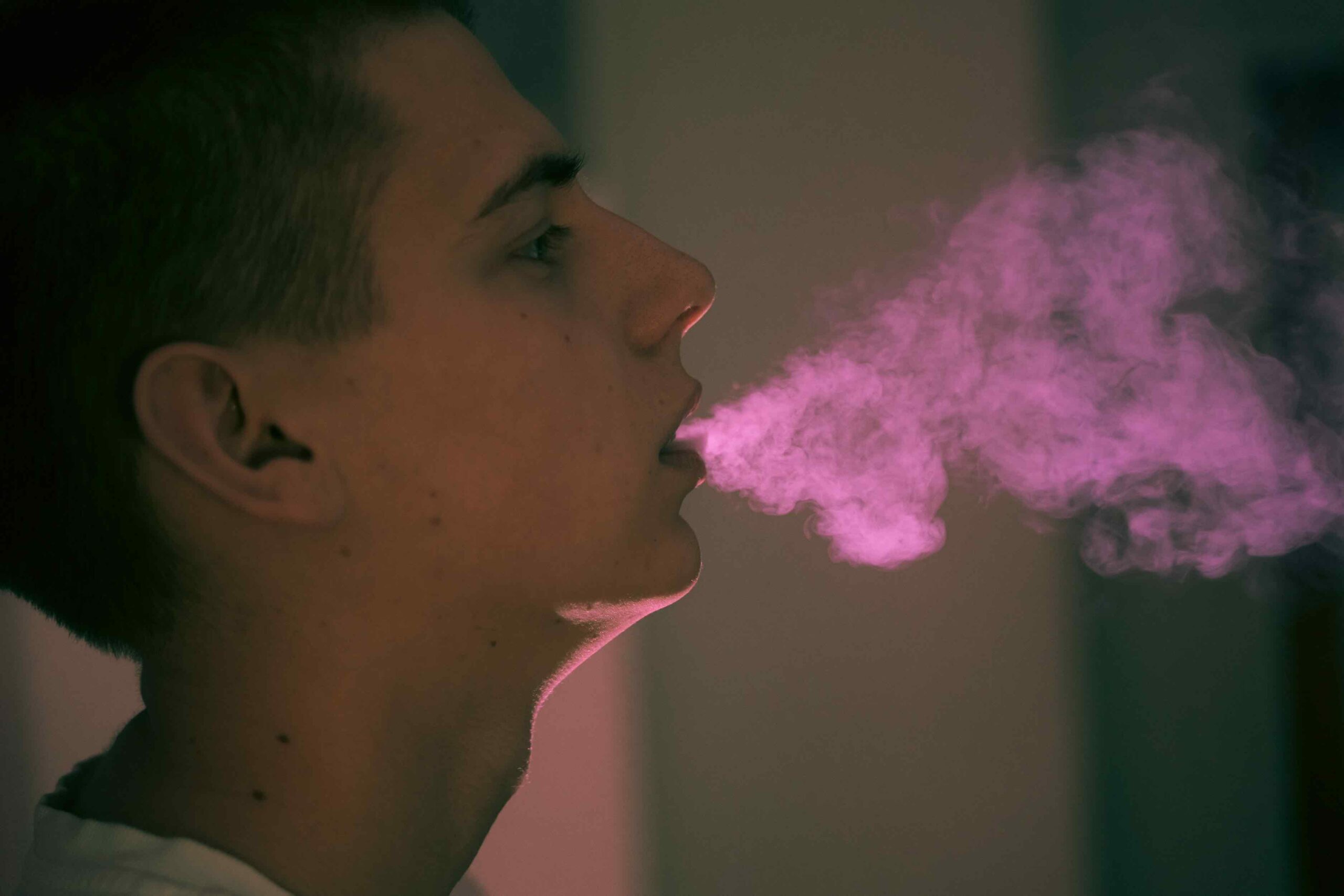
Vaping is often presented as an alternative to traditional smoking, but that does not mean it is harmless. Many vaping products contain nicotine, an addictive substance that can create strong cravings and make it difficult to stop. Over time, vaping can become a habit that affects a person’s physical health, emotional well-being, finances, and daily life.
The Effects of Vaping
Vaping can expose the body to nicotine and other chemicals. Nicotine can increase heart rate and blood pressure and can lead to dependence. Some people who vape may experience irritability, anxiety, difficulty concentrating, or strong cravings when they try to stop.
Vaping can also affect the lungs. Although the long-term health effects of vaping continue to be studied, using e-cigarettes is not risk-free. Certain vaping-related lung injuries have also been associated with vaping products, particularly products containing THC or other substances.
Recognizing Vaping Addiction
Signs of nicotine dependence may include needing to vape frequently, experiencing cravings, continuing to vape despite wanting to stop, or feeling withdrawal symptoms when attempting to quit. Recognizing these signs is an important first step toward recovery.
How to Begin Recovering From Vaping
Recovery starts with a plan. Choose a quit date, identify situations that trigger the urge to vape, and remove vaping devices and supplies from your environment. When cravings occur, try replacing vaping with another activity such as walking, exercising, drinking water, chewing gum, or practicing deep breathing.
Support can also make quitting easier. A healthcare professional, counselor, or smoking-cessation program can help develop an individualized quit plan. For people who are dependent on nicotine, medications or nicotine-replacement products may also be appropriate; a healthcare professional can help determine what is suitable.
Take the First Step
Quitting vaping may be difficult, but a setback does not mean failure. Each attempt provides an opportunity to learn what triggers vaping and what strategies work best. With preparation, support, and persistence, people can take back control of their nicotine use and work toward a healthier, vape-free life.